| Author | Dr. Alex Thorne |
| Credentials | Board-Certified Entomologist and Clinical Toxicologist |
| Author Bio | Dr. Thorne specializes in venom research and emergency first aid. |
| Medically Reviewed By | Dr. Elara Vance, M.D., F.A.C.E.P. (Board Certified Emergency Medicine) on October 25, 2025. |
| 🔑 Key Takeaways |
| A secondary skin infection occurs when scratching an itchy bug bite, rash, or skin break introduces bacteria (Staphylococcus or Streptococcus) from the fingernails into the wound. This is a common complication. The primary warning signs are a wound that gets worse instead of better after a few days, pus drainage, increasing pain and warmth, or the appearance of red streaks. These infections, such as Impetigo or Cellulitis, require prompt medical treatment, typically with oral antibiotics, to prevent the infection from spreading. |
How a Minor Bite Becomes Infected
Any break in the skin, no matter how small, compromises the body’s natural barrier and allows bacteria (which naturally live on the skin’s surface) to enter the deeper layers.
| Contaminant | Mechanism | Result |
| Bacteria (Staph/Strep) | Scratching breaks the skin surface, often transferring bacteria from under the fingernails directly into the bite site. | The bacteria multiply, leading to Impetigo (superficial crusting) or Cellulitis (deep skin infection). |
| Inflammation | Excessive rubbing and scratching cause inflammation, which impairs the skin’s ability to heal and fight off pathogens. | The initial small bump swells into a larger, painful lump (abscess). |
2. Recognizing the Signs of Secondary Infection
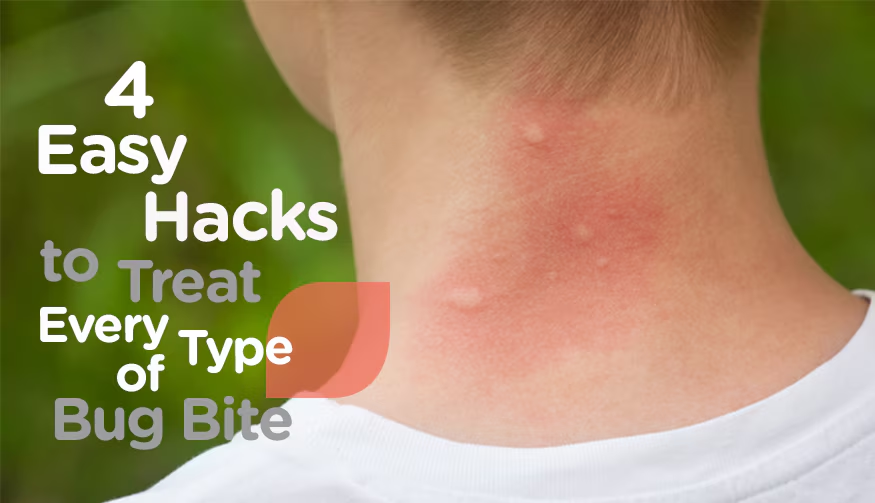
A normal insect bite should peak in redness and swelling within 24–48 hours and then begin to improve. If symptoms worsen after 48 hours, suspect infection.
| Sign | Description | Infection Type Implied |
| Pus and Crusting | Yellow or honey-colored crusts/scabs forming, or the bite is draining thick, opaque fluid (pus). | Impetigo (superficial and highly contagious). |
| Spreading Redness/Heat | Redness rapidly expanding beyond the immediate area of the bite. The skin feels hot and tender to the touch. | Cellulitis (deep tissue infection). |
| Systemic Symptoms | Fever, chills, or swollen lymph nodes near the infection site (e.g., in the armpit or groin). | The infection is becoming systemic and may lead to Lymphangitis or Sepsis. |
| Worsening Pain | Pain that increases dramatically in intensity and feels throbbing or sharp over days, rather than subsiding. | Abscess formation or deepening Cellulitis. |
Treatment Protocol and Complication Management

Home Care (While Monitoring)
- Cleanse: Wash the affected area with soap and water.
- Protect: Keep the area covered with a sterile bandage to prevent further scratching and bacterial spread.
- Avoid: DO NOT use topical antihistamine creams (they offer little benefit and can cause irritation) and DO NOT try to squeeze or pop pus-filled lesions.
When to Seek a Doctor Immediately
- Antibiotics Required: Any sign of spreading redness, warmth, or fever requires immediate professional evaluation. The infection will require prescription oral antibiotics (or IV antibiotics for severe Cellulitis).
- Lymphangitis: If you observe red streaks extending from the bite up the limb, seek urgent care, as this indicates the infection is traveling through the lymphatic system.
For more detailed information on the visual signs of an infection spreading, consult the Healthline guide on Infected Bug Bites.
FAQs
What is a secondary skin infection from scratching?
It’s an infection that occurs when bacteria enter the skin through scratch marks, often from bug bites or irritated skin.
What are early signs of infection?
Increased redness, swelling, warmth, tenderness, and itching. You may also see yellow crust, pus, or fluid drainage.
Can scratching bug bites really cause infection?
Yes — bug bites often carry bacteria on the skin surface, and scratching allows germs to enter.
How can I treat a mild scratch infection at home?
Wash with mild soap, apply topical antibiotic ointment, avoid itching, and keep the area covered and clean.
When should I seek medical help?
See a doctor if you notice spreading redness, fever, intense pain, swollen lymph nodes, or streaks these may indicate cellulitis.
Conclusion
Secondary skin infections from scratching are common but preventable. When itchy skin or bug bites break open, bacteria can enter and cause irritation, swelling, pus, and spreading redness. Early treatment with gentle cleansing and topical antibiotics can stop the infection quickly. Avoid scratching, keep nails clean, and treat itching early to protect your skin. Seek medical care if symptoms spread or worsen — fast action can prevent complications and support healthy healing.